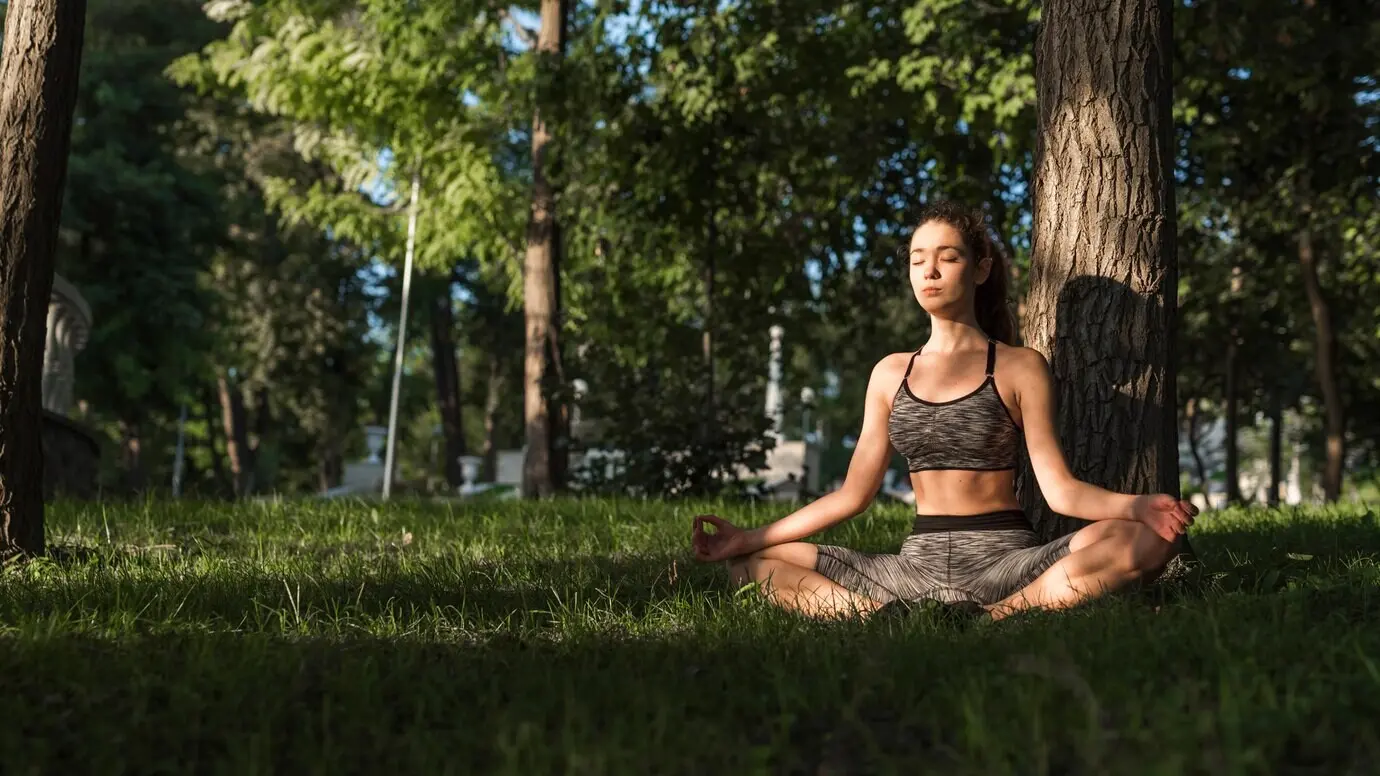
Clarity in Sixty Seconds

Today we explore breathwork and one-minute meditations for instant mental clarity, blending accessible science with simple, repeatable steps. In just sixty seconds, you can lower internal noise, steady attention, and create a pocket of focus that helps decisions feel lighter, kinder, and more precise, wherever your day takes you.

How Rapid Practices Reset Your Mind

Short, deliberate practices work because they address physiology first, then cognition. By modulating breath rate, exhale length, and brief attentional anchors, you influence heart rate variability, vagal tone, and arousal. This quick shift opens a cognitive window where distractions soften, working memory steadies, and you regain the sense that your next action can be small, confident, and meaningful.

Techniques You Can Use Anywhere

You do not need a cushion, candle, or perfect silence. Each method here is designed for parks, kitchens, elevators, or meeting rooms, fitting neatly between tasks. Practice them exactly as written for one minute, or stack two rounds if you have time. Keep it light, curious, and forgiving; consistency matters more than intensity.

Morning, Midday, and Evening Flow

Match the practice to your energy. Mornings invite activation with structured breaths that organize attention. Midday benefits from quick resets that reduce mental carryover. Evenings ask for gentle downshifts without grogginess. Consider these one-minute anchors like bookends for transitions, helping your nervous system mark chapter changes so your mind follows with less resistance.

Stories from Days That Needed a Reset

Tiny practices feel most convincing when they help in ordinary messes. These snapshots highlight how a single minute changed momentum: fewer spirals, steadier breathing, kinder choices. Let these stories remind you that you are one breath from a different response, and that small wins compound faster than perfection ever does.

The Designer Before a High-Stakes Presentation

Hands shaking, slides blinking, she stepped into the hallway for sixty seconds. Two physiological sighs slowed her pulse; an open monitoring minute softened fear into focus. She returned, voice grounded, ideas crisp. Afterward she wrote one sentence in her log: small breath, big shift, repeat tomorrow. Momentum, reclaimed kindly and reliably.

The Parent in a Noisy Kitchen

Dinner boiled over, homework questions collided, and irritation peaked. He turned to the sink, stared at the tile, and box-breathed four rounds. Volume inside dropped first; voice followed. He apologized quickly, then guided the homework calmly. Later he smiled at the timer history: one measured minute, an entire evening redeemed gracefully.

The Runner Waiting at a Stoplight

Heart pounding, mind racing through unfinished emails, she used the red light for paced exhales. With each long out-breath, shoulders lowered and thoughts sorted. The run resumed lighter, and the inbox felt less predatory afterward. She bookmarked the practice as her city’s metronome: whenever traffic paused, clarity arrived on cue.

Track Progress and Stay Motivated

What gets measured gently tends to grow. Keep your tracking friction-free: one line per day noting practice type, time, and one word describing after-effects. Celebrate streaks without obsessing, invite friends to join, and share reflections below. Social accountability, tiny rewards, and realistic expectations keep your consistency compassionate, durable, and beautifully human.

Safety, Science, and Thoughtful Boundaries

{{SECTION_SUBTITLE}}
When to Modify or Pause

If breath holds feel edgy, skip them. Prefer nasal breathing if comfortable. Keep exhales smooth, never strained. Stop immediately with chest pain, tingling extremities, or overwhelming panic, and return to normal breathing. Consult a clinician when uncertain. Your process should feel respectful, reversible, and guided by your body’s honest feedback.

Lightheadedness Versus Grounded Calm

Lightheadedness often means over-breathing. Shorten inhales, lengthen gentle exhales, and sit down. Ground with touch points: feet to floor, palms to thighs, eyes on a stable object. Calm is felt as warmth, clarity, and relaxed readiness, not collapse. Seek that balanced, alert ease where decisions feel cleaner and movements feel intentional.
Renuromunimuki
Privacy Overview

This website uses cookies so that we can provide you with the best user experience possible. Cookie information is stored in your browser and performs functions such as recognising you when you return to our website and helping our team to understand which sections of the website you find most interesting and useful.